

Introduction
Landscaping plays a crucial role in enhancing the beauty and functionality of outdoor spaces. Retaining walls are essential features in landscaping, serving both practical and aesthetic purposes. Cultured stone retaining walls have gained popularity in recent years due to their durability, versatility, and aesthetic appeal. In this article, we will explore the benefits, design options, installation process, and maintenance of cultured stone retaining walls.
Benefits of Cultured Stone Retaining Walls
Cultured stone retaining walls offer a wide range of benefits that make them an attractive choice for landscaping projects. Some of the key benefits include:
1. Aesthetic Appeal: Cultured stone retaining walls provide a natural and sophisticated look to outdoor spaces. They come in a variety of colors, textures, and shapes, allowing for endless design possibilities. Whether you prefer a modern, rustic, or traditional look, cultured stone retaining walls can be customized to suit your style and preferences.
2. Durability: Cultured stone is a high-quality material that is designed to last for many years. Unlike natural stone, cultured stone is manufactured to be uniform in size and shape, which makes it easier to work with during installation. Cultured stone retaining walls are resistant to weathering, erosion, and cracking, ensuring long-term durability and structural integrity.
3. Versatility: Cultured stone retaining walls can be used in a variety of landscaping applications, including terracing slopes, creating garden beds, defining outdoor living spaces, and more. They can be installed on both residential and commercial properties, providing a versatile solution for various landscaping needs.
4. Low Maintenance: Cultured stone retaining walls require minimal maintenance compared to other materials such as wood or concrete. They are resistant to mold, mildew, and pests, making them an ideal choice for outdoor environments. Occasional cleaning with water and mild detergent is all that is needed to keep cultured stone retaining walls looking their best.
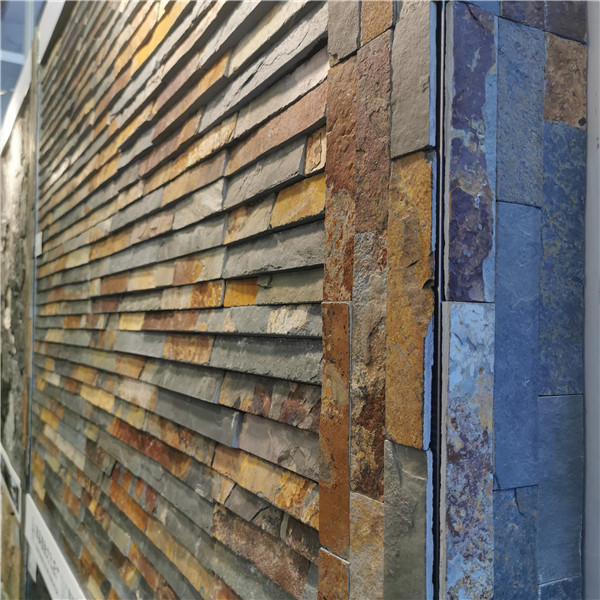
5. Eco-Friendly: Cultured stone is a sustainable material that is manufactured using a combination of natural aggregates, cement, and pigments. By choosing cultured stone for your retaining walls, you are making an environmentally friendly choice that reduces the impact on natural resources. Cultured stone is also recyclable, further enhancing its eco-friendly credentials.
Design Options for Cultured Stone Retaining Walls
Cultured stone retaining walls offer endless design possibilities to enhance the visual appeal of your outdoor space. Whether you are looking to create a seamless transition between different elevations, add interest to a garden bed, or define a seating area, cultured stone retaining walls can be customized to suit your specific needs. Some popular design options for cultured stone retaining walls include:
1. Natural Stone Look: Cultured stone retaining walls can be designed to mimic the look of natural stone, providing a rustic and organic feel to the landscape. With a wide range of colors and textures available, you can create a custom look that complements the surrounding environment.
2. Modern and Contemporary: For a more sleek and contemporary look, cultured stone retaining walls can be designed with clean lines, sharp angles, and minimalist details. This design style is perfect for modern outdoor spaces with a focus on simplicity and sophistication.
3. Terraced Gardens: Cultured stone retaining walls are ideal for creating terraced gardens on sloped terrain. By building multiple levels of retaining walls, you can create a visually stunning landscape that maximizes the use of space and allows for the planting of a variety of flowers, shrubs, and trees.
4. Curved Walls: Cultured stone retaining walls can be curved to create a softer and more organic look in the landscape. Curved walls add visual interest and flow to outdoor spaces, making them an attractive design option for pathways, seating areas, and garden borders.
5. Integrated Seating: Cultured stone retaining walls can be designed with built-in seating areas to provide additional functionality and comfort. By incorporating seating elements into the retaining walls, you can create a cozy outdoor gathering space for relaxing or entertaining guests.
Installation Process of Cultured Stone Retaining Walls
The installation of cultured stone retaining walls requires careful planning, preparation, and execution to ensure a durable and visually appealing result. Here is a step-by-step guide to the installation process of cultured stone retaining walls:
1. Site Preparation: Before starting the installation, the site must be properly prepared by clearing the area of any vegetation, debris, or obstacles. The soil should be graded and compacted to create a stable foundation for the retaining walls.
2. Layout and Design: The layout and design of the retaining walls should be carefully planned to ensure proper drainage, soil retention, and structural stability. Consider the height, length, and slope of the wall, as well as any curves or corners that need to be incorporated into the design.
3. Excavation: Excavate the area where the retaining walls will be installed, making sure to dig to the required depth and width for the foundation. The depth of the excavation will depend on the height of the wall and the type of soil conditions present on the site.
4. Foundation Construction: Construct a solid foundation for the retaining walls using a combination of gravel, crushed stone, and compacted soil. The foundation should be level and provide adequate support for the weight of the walls and the pressure from the retained soil.
5. Installation of Base Course: Start by installing the base course of the retaining wall using concrete blocks or stones. Ensure that each block is level and properly aligned with the design layout. Use a level and string line to maintain accuracy and consistency throughout the installation.
6. Building the Wall: Continue building the retaining wall courses by stacking the blocks or stones on top of each other in a staggered pattern. Use adhesive or mortar to secure the blocks in place and provide additional strength and stability to the wall.
7. Backfilling and Compaction: Once the retaining walls are built, backfill the area behind the walls with gravel or drainage aggregate to improve drainage and reduce soil pressure. Compact the backfill material in layers to ensure proper compaction and stability.
8. Finishing Touches: Add capstones or coping stones to the top of the retaining walls to provide a finished look and protect the wall from water infiltration and damage. Clean the walls with water and a mild detergent to remove any debris or excess mortar.
Maintenance of Cultured Stone Retaining Walls
Proper maintenance is essential to ensure the longevity and appearance of cultured stone retaining walls. By following a few simple maintenance tips, you can keep your retaining walls looking beautiful and functional for years to come. Here are some maintenance guidelines for cultured stone retaining walls:
1. Regular Inspection: Inspect the retaining walls periodically to check for any signs of damage, cracking, or shifting. Address any issues promptly to prevent further damage and ensure the structural integrity of the walls.
2. Cleaning: Clean the cultured stone retaining walls with water and a mild detergent to remove dirt, debris, and stains. Avoid using harsh chemicals or abrasive cleaners that can damage the surface of the stones.
3. Sealing: Consider sealing the cultured stone retaining walls with a breathable sealer to protect them from moisture, stains, and UV damage. Sealing the walls can help enhance the color and texture of the stones and extend their lifespan.
4. Weed Control: Keep the area around the retaining walls free of weeds and vegetation to prevent roots from infiltrating the walls and causing damage. Use a weed barrier or apply a weed killer to prevent weed growth along the base of the walls.
5. Drainage Maintenance: Ensure that the drainage system behind the retaining walls is functioning properly to prevent water buildup and soil erosion. Clear any clogs or obstructions in the drainage channels to maintain proper water flow away from the walls.
Conclusion
Cultured stone retaining walls are a versatile and durable landscaping feature that can enhance the beauty and functionality of outdoor spaces. With Stepping stone placement for strategic layout , durability, and low maintenance requirements, cultured stone retaining walls are an ideal choice for a wide range of landscaping applications. By exploring the benefits, design options, installation process, and maintenance guidelines for cultured stone retaining walls, you can create a stunning outdoor environment that will stand the test of time.